Fashion
Dojen Moe: Understanding This Fascinating Cultural Phenomenon

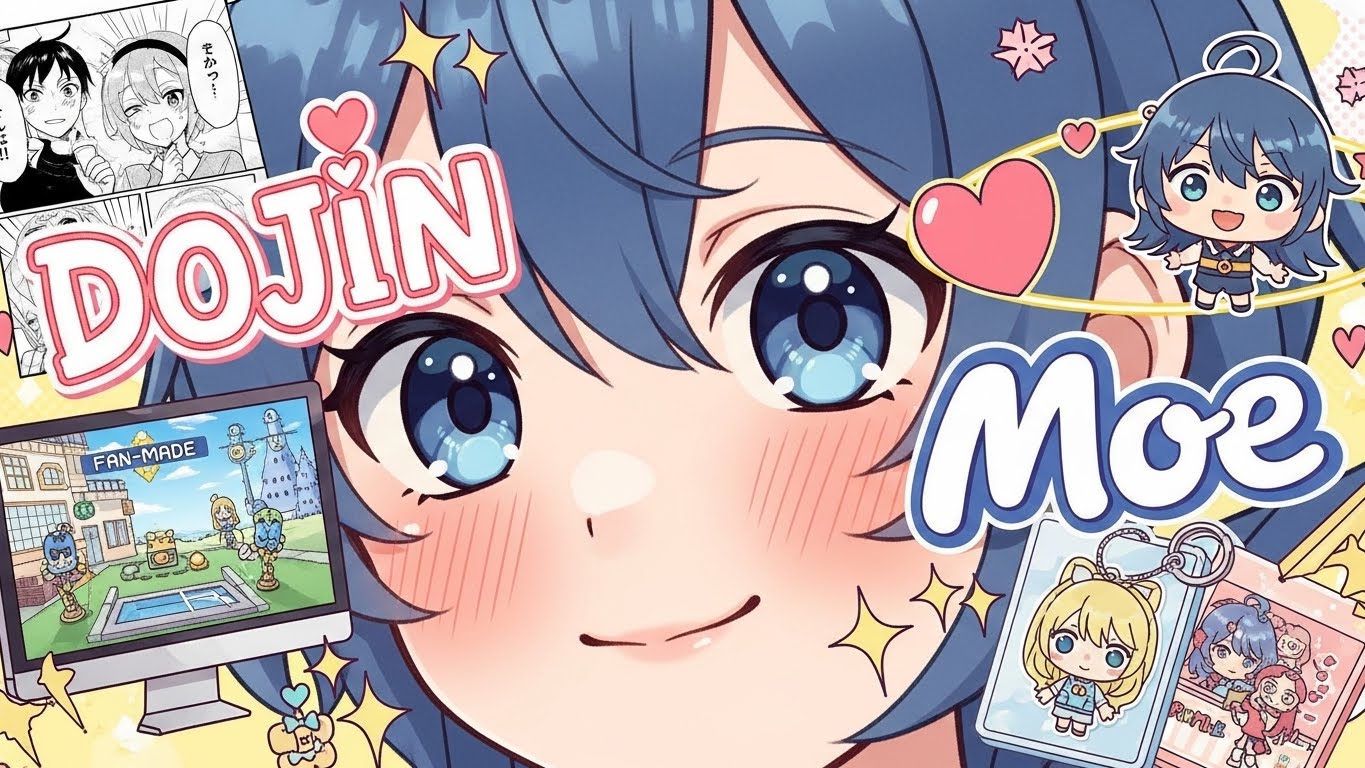
Have you ever stumbled upon a term so intriguing that it piques your curiosity? Enter “Dojen Moe.” This captivating cultural phenomenon has woven itself into the fabric of modern Japanese society, enchanting fans across the globe. But what exactly is Dojen Moe, and why does it resonate so deeply with people? From its roots in anime to its influence on art and fashion, this blog post will dive deep into the world of Dojen Moe. Get ready to explore its history, key elements, controversies, and future prospects—all while uncovering how this unique concept continues to shape pop culture today. Whether you’re a die-hard fan or just discovering it for the first time, there’s something here for everyone!
The Origins and History of Dojen Moe
Dojen Moe has roots deeply embedded in Japanese culture. It began as a subculture within the realms of anime and manga, capturing the hearts of fans with its unique style.
The term “moe” symbolizes affection towards characters that evoke emotional attachment. This phenomenon emerged in the early 2000s, gaining traction among dedicated otaku communities.
As it evolved, Dojen Moe became synonymous with specific artistic expressions. Illustrators embraced vibrant colors and exaggerated features to amplify cuteness.
This cultural trend drew inspiration from various aspects of Japanese tradition, blending modernity with nostalgia. With its growth, conventions and online forums flourished, celebrating art and creativity centered around this intriguing concept.
Dojen Moe not only reflects individual expression but also highlights community bonding through shared love for these imaginative worlds. The movement’s history is rich, showcasing how passion can shape an entire cultural landscape.
Key Elements and Characteristics of Dojen Moe
Dojen Moe is characterized by its vibrant and exaggerated aesthetics. It often features cute, endearing characters that embody innocence and playfulness. The visual style incorporates bright colors, large expressive eyes, and whimsical designs.
The storytelling aspect is equally significant. Dojen Moe narratives typically center around everyday life infused with fantasy elements. This blend creates a captivating world where the mundane becomes magical.
Another key element is the emotional connection it fosters among fans. Many find themselves drawn to the relatable themes of friendship, love, and self-discovery woven throughout these stories.
Additionally, music plays an essential role in enhancing the overall experience of Dojen culture. Catchy tunes complement visuals perfectly, making them memorable for enthusiasts.
Community engagement thrives within this phenomenon. Fans gather online or at events to share their passion for Dojen Moe through art, cosplay, and discussions about their favorite characters and stories.
Impact on Japanese Pop Culture
Dojen Moe has significantly shaped the landscape of Japanese pop culture, emerging as a captivating blend of creativity and expression. This phenomenon resonates with fans across various mediums, including anime, manga, and gaming.
The aesthetics and themes derived from Dojen often celebrate youthfulness and innocence. Artists use these elements to evoke strong emotional connections among audiences. Characters are designed with exaggerated features that symbolize charm while showcasing unique personalities.
Merchandising opportunities have surged alongside its popularity. From figurines to clothing lines, products inspired by Dojen flood the market. Fans eagerly collect items that reflect their admiration for this cultural trend.
Social media platforms amplify its reach further, allowing creators to share their work widely. This connection cultivates communities where enthusiasts exchange ideas and fan art daily. The blending of traditional motifs with modern sensibilities continues to push boundaries within Japan’s creative scene.
Controversies Surrounding Dojen Moe
Dojen Moe has sparked significant debate within and outside Japan. Critics argue that it promotes unrealistic standards of beauty, often depicting characters with exaggerated features.
Moreover, some believe this phenomenon can lead to unhealthy obsessions among fans. The intense fandom surrounding Dojen sometimes spills into toxic behavior online. This includes harassment directed at those who express differing opinions about its themes or representations.
Additionally, concerns have been raised regarding the portrayal of gender dynamics in Dojen Me. Many question whether these narratives reinforce stereotypes rather than challenge them.
Despite the controversies, supporters defend it as a form of artistic expression. They argue that it’s vital to separate fantasy from reality in appreciating this unique cultural trend. The discussion continues as Dojen evolves and captures the attention of new audiences around the world.
Globalization of Dojen Moe
The globalization of Dojen Moe has sparked a fascinating cultural exchange. As the internet connects fans worldwide, this unique phenomenon transcends borders.
Social media platforms have played a crucial role in popularizing Dojen outside Japan. Fans share art, memes, and discussions that highlight its distinct elements. This instant connection fosters an international community bound by shared interests.
Anime conventions around the globe often feature panels and merchandise related to Dojen Me. Attendees embrace this style through cosplay and fan art, further solidifying its presence beyond Japanese shores.
Streaming platforms also contribute to its spread. By offering access to anime steeped in Dojen aesthetics, they introduce new audiences to these captivating visuals and themes.
As more people engage with this cultural trend, it evolves while retaining its original charm. The blending of local interpretations creates a richer tapestry within the global arts scene.
The Future of Dojen Moe
The future of Dojen Moe appears bright and promising. As digital platforms flourish, this cultural phenomenon continues to evolve. Fans are exploring new ways to engage with the art form, blending traditional elements with contemporary styles.
Emerging technologies like virtual reality could reshape how fans experience Dojen Me. Imagine immersing yourself in a 3D world that brings your favorite characters to life. This innovation may attract new audiences beyond Japan’s borders.
Social media also plays a vital role in its growth. Creators can share their work instantly, fostering communities around shared interests. These connections will likely inspire fresh interpretations and collaborations.
Education about Dojen Moe is increasing as well. Workshops, online courses, and festivals dedicated to this culture are popping up globally. This awareness ensures that the essence of Dojen remains vibrant for generations to come.
Conclusion
Dojen Moe is more than just a cultural trend; it represents a unique intersection of art, emotion, and community. As this phenomenon continues to evolve, its influence on both Japanese pop culture and the global stage becomes increasingly significant.
Understanding Dojen offers insight into the complexity of contemporary societal values. Its roots in traditional aesthetics reflect a longing for connection amidst rapid modernization. The key elements that define this artistic expression speak volumes about human experiences—love, nostalgia, and even sorrow.
As Dojen Moe transcends borders through globalization, it’s clear that its impact will resonate far beyond Japan’s shores. This captivating phenomenon invites fans from around the world to engage with its themes and styles deeply.
Looking ahead, the future of Dojen seems bright yet unpredictable. New artists will continue to reinterpret these concepts while audiences remain eager for fresh takes on an age-old theme: what it means to connect with others through shared emotions and artistry.
With all these factors at play, one thing remains certain—Dojen has carved out a lasting niche in cultural history that we are only beginning to understand fully. Whether you’re an avid fan or new to this intriguing world, there’s so much left to explore within this remarkable realm.

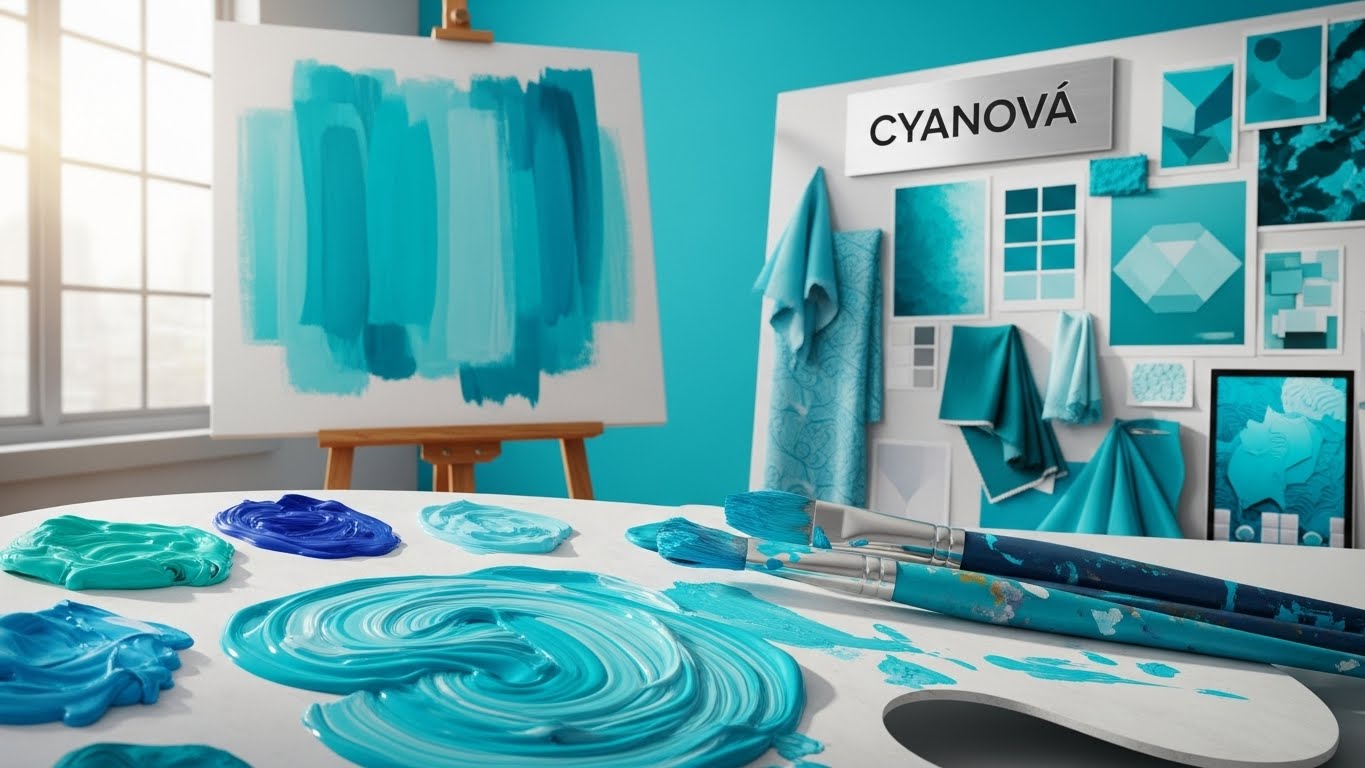
Cyanová is more than just a color; it’s an experience. This vibrant shade, often seen in nature’s most captivating elements—from tropical waters to stunning sunsets—has carved out a special place in the hearts of artists and designers alike. Its electrifying hue captures attention and sparks creativity, making it a go-to choice for those looking to infuse their work with life and energy.
As we delve into the world of Cyanová, you’ll discover its rich history, profound symbolism, and endless possibilities for use in art and design. Whether you’re an artist seeking inspiration or a designer on the hunt for that perfect pop of color, understanding Cyanová can elevate your projects to new heights. Join us as we explore this remarkable shade that continues to inspire generations across various creative fields!
What is Cyanová?
Cyanová is a stunning shade that sits between blue and green on the color spectrum. It’s often described as a vibrant, fresh hue reminiscent of clear skies or tranquil waters. This lively color has an almost electric quality, making it stand out in any palette.
While many may confuse Cyanová with teal or turquoise, its distinct vibrancy sets it apart. Its name derives from “cyan,” which comes from the Greek word for “dark blue.” The addition of “vá” gives it a unique twist that resonates deeply within artistic circles.
In digital design and printing, Cyanová plays an essential role; it serves as one of the primary colors in the CMYK color model used for full-color printing. This versatility allows artists to create eye-catching visuals across various mediums while harnessing its engaging qualities effectively.
A Brief History of Cyanová
Cyanová, a stunning hue that falls between blue and green, has roots that stretch back centuries. Its name derives from the Greek word “kyanos,” meaning dark blue.
The pigment gained popularity during the Renaissance when artists began to experiment with natural dyes and minerals. The discovery of synthetic cyan in the 19th century revolutionized its use in art.
By the early 20th century, cyanová was embraced by modernist movements like Bauhaus and Futurism. These groups recognized its vibrant energy as a perfect fit for their bold designs.
In graphic design, it became integral to print production due to its striking visibility and versatility. Today, it continues to inspire new generations of artists and designers alike, transcending time while maintaining its captivating charm.
The Symbolism and Meaning behind Cyanová
Cyanová, a blend of blue and green, evokes feelings of tranquility and clarity. This vibrant hue often symbolizes creativity and inspiration. Its refreshing nature can spark innovative ideas.
In many cultures, cyan is associated with communication. It represents open dialogue and the expression of thoughts. Artists frequently use this color to convey emotional depth in their work.
The shade also carries connotations of peace and calmness. It’s reminiscent of clear skies and serene waters, leading to a sense of balance in design elements.
On a psychological level, cyanová promotes relaxation while stimulating mental activity. Many find it calming yet invigorating—an ideal combination for creative spaces.
This color’s versatility allows it to resonate differently with various audiences while maintaining its captivating charm across diverse artistic realms.
Exploring the Use of Cyanová in Art and Design
Cyanová is a color that sparks creativity. Artists often use it to evoke emotions and draw attention. Its bright hue stands out, making it perfect for both bold statements and subtle accents.
In painting, cyanová offers versatility. It blends beautifully with warm colors or can create striking contrasts with darker shades. This adaptability invites artists to experiment freely.
Designers appreciate cyanová’s calming yet vibrant nature. In branding, it’s associated with freshness and innovation, which makes it popular among tech companies and wellness brands alike.
Interior design also showcases this captivating shade. Whether in an accent wall or decorative pieces, cyanová adds a touch of modernity while remaining inviting.
From digital art to fashion runways, the presence of cyanová continues to inspire fresh ideas across various platforms. The possibilities are endless when working with such a dynamic color palette.
Tips for Incorporating Cyanová into Your Own Work
Cyanová can transform your work, infusing it with energy and vibrancy. Start by using it as an accent color. A splash of cyanová in a neutral palette creates dynamic contrast.
Consider layering shades of cyanová for depth. Pair lighter tones with darker ones to create visual interest that draws the eye. This technique works well in both digital art and traditional mediums.
Incorporating patterns is another effective strategy. Use cyanová in geometric designs or abstract motifs to add rhythm and movement to your composition.
Don’t shy away from mixing media either; combine cyanová paints with textiles or even photography for an innovative touch.
Experimentation is key—try different combinations until you find what resonates most with your vision. Let this vibrant shade inspire new ideas and approaches, pushing creative boundaries further than before!
The Future of Cyanová in Art and Design
Cyanová continues to evolve as artists and designers seek fresh inspiration. Its vibrant hue resonates with new generations, sparking creativity in unexpected ways.
Digital art is a playground for cyanová’s boldness. Graphic designers are using it to create eye-catching visuals that stand out in crowded spaces. From social media campaigns to branding, this color breathes life into modern aesthetics.
Sustainability trends also influence its use. Eco-conscious artists are exploring natural pigments that capture the essence of cyanová without harming the environment. This shift opens doors for innovative techniques and materials.
As technology advances, augmented reality and virtual environments will embrace cyanová even further. The digital realm offers limitless possibilities where this shade can redefine user experiences and interactions.
The future looks bright for cyanová as it interweaves with emerging styles and movements across various platforms, promising an exciting journey ahead in art and design realms.
Conclusion
Cyanová is more than just a color; it’s an experience that transcends boundaries. This vibrant shade has captivated artists and designers alike, breathing life into countless creations. Its rich history tells tales of innovation, expression, and cultural significance.
The symbolism associated with cyanová adds depth to its allure. It resonates with feelings of tranquility, creativity, and inspiration. As we see this captivating hue woven into art and design today, from bold graphic designs to serene interior spaces, the versatility of shines through.
For those looking to incorporate into their own work, there are endless possibilities. Whether you choose to use it as a focal point or a complementary shade, the key is understanding how it interacts with other colors around it.
Looking ahead, the future of in art and design remains bright. As trends evolve and new technologies emerge, expect this vibrant color to continue inspiring creativity across various mediums.
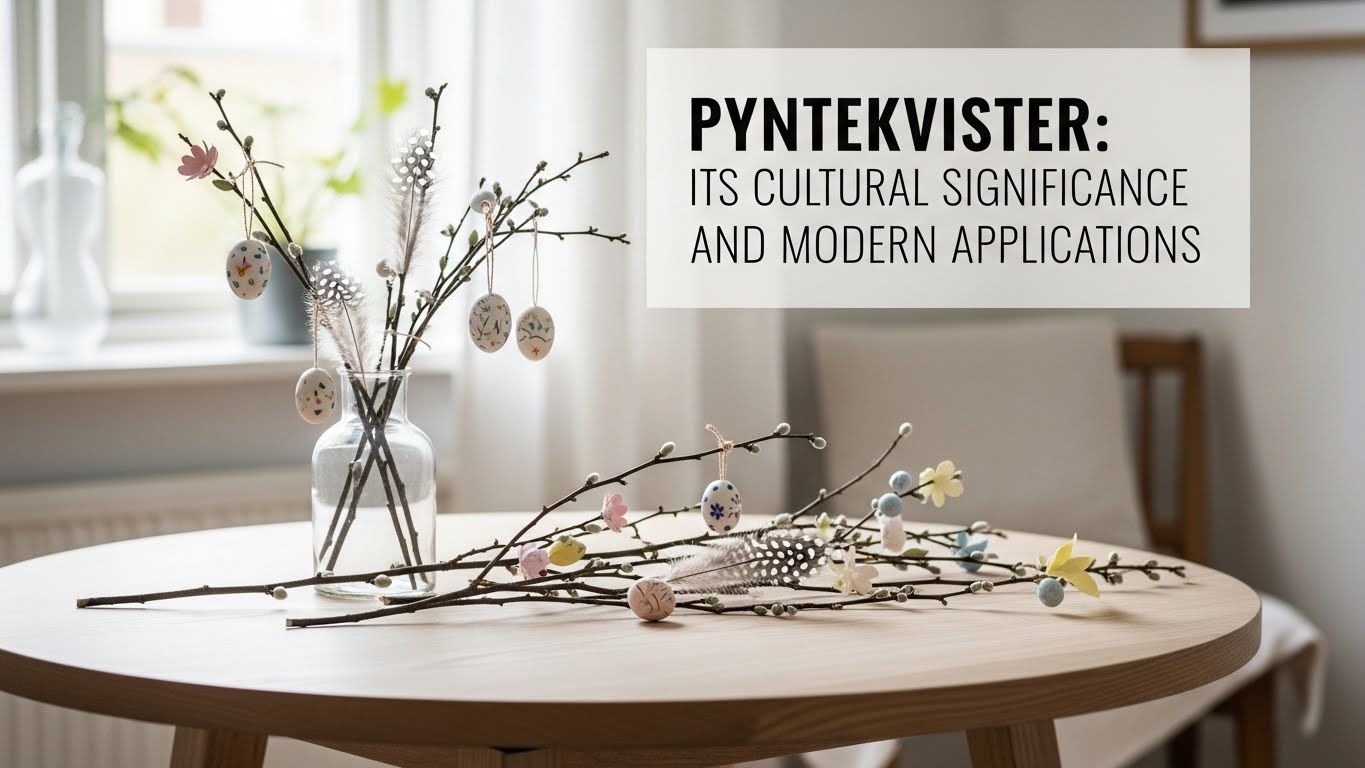
Pyntekvister, with its vibrant colors and intricate designs, is more than just a craft—it’s a celebration of culture and creativity. Rooted in tradition, this art form has captured the hearts of many across generations. Whether you’re an artisan at heart or simply someone who appreciates beautiful decor, Pyntekvister offers something unique for everyone. From its historical roots to modern interpretations, let’s explore why this fascinating craft remains as relevant today as it ever was. Discover how Pyntekvister can add charm and character to your life!
The History and Cultural Significance of Pyntekvister
Pyntekvister has deep roots in Scandinavian culture, particularly in Sweden and Norway. Traditionally crafted during festive seasons, these intricate paper decorations symbolize the arrival of spring and the celebration of life.
The name “pyntekvister” translates to “decorative twigs,” reflecting their original purpose. Families would adorn their homes with colorful branches as a gesture of welcoming warmer weather and brighter days ahead.
In rural communities, crafting pyntekvister was often a collective activity. Women and children gathered together to create beautiful designs while sharing stories and laughter. This not only strengthened familial bonds but also preserved cultural heritage.
Over time, these decorative pieces evolved into artistic expressions that showcase regional styles and techniques. The vibrant colors used in pyntekvister highlight nature’s beauty, connecting people to their environment through artful craftsmanship.
Traditional Uses of Pyntekvister
Pyntekvister has long been a vibrant part of cultural traditions, especially in Scandinavian communities. Traditionally, these decorative items were crafted from colorful paper or natural materials.
People used them to adorn their homes during festive occasions. They often featured intricate patterns and designs that reflected local heritage and artistry.
During holidays such as Christmas, pyntekvister served not only as decoration but also as symbols of joy and festivity. Families would gather to create these crafts together, fostering a sense of community.
In addition to holiday decorations, pyntekvister were sometimes given as gifts or tokens of appreciation. Their handmade quality added personal value that store-bought items couldn’t match.
Even now, the crafting process connects generations through shared stories and techniques passed down over time. This deep-rooted tradition highlights the importance of creativity in preserving cultural identity.
Modern Applications of Pyntekvister
In today’s fast-paced world, Pyntekvister has found new life through modern applications that blend tradition with innovation. Artists and crafters are now integrating these intricate paper designs into contemporary art pieces, transforming them into stunning wall hangings or sculptures.
Fashion designers have also embraced Pyntekvister, incorporating its patterns into clothing and accessories. This unique fusion adds a cultural touch to modern fashion trends.
Social media platforms showcase various DIY projects where enthusiasts share their own interpretations of Pyntekvister. Tutorials abound for those eager to learn the craft while connecting globally through shared creativity.
Interior decorators highlight Pyntekvister in home design by using it as wallpaper or decorative accents on furniture. These vibrant elements bring warmth and personality to spaces, making every room more inviting.
The versatility of Pyntekvister is evident as it continues to inspire people across different fields and cultures today.
How to Make Your Own Pyntekvister Crafts
Creating your own Pyntekvister crafts is a delightful process. Start by gathering colorful paper or fabric, scissors, and glue. Traditional colors often reflect nature—think vibrant greens, deep blues, and sunny yellows.
Cut your materials into simple shapes like stars or flowers. These will form the base of your design. Layer them to add depth; try mixing textures for an added touch of creativity.
Once you have your desired arrangement, secure everything with glue. Allow it to dry completely before moving on to embellishments like beads or ribbons. Personal touches can make these crafts truly unique.
Consider crafting seasonal themes too—autumn leaves in warm oranges or winter snowflakes in icy whites bring fresh life to this art form throughout the year. Enjoy every moment as you explore the world of Pyntekvister!
Incorporating Pyntekvister into Home Decor
Pyntekvister offers a unique charm that can elevate your home decor. These intricate, woven pieces seamlessly blend traditional craftsmanship with modern aesthetics.
Consider using as wall art. Their vibrant colors and patterns create an eye-catching focal point in any room. Group several pieces together for a stunning visual effect or hang them individually to add character.
You can also incorporate into functional items like table runners or cushions. They bring warmth and texture to your space while celebrating cultural heritage.
Don’t forget about seasonal decorations! Use during holidays for festive touches, such as adorning mantels or dining tables. Each piece tells a story, enriching the atmosphere of your home.
Mixing these crafts with contemporary elements keeps your style fresh yet rooted in tradition. The versatility of Pyntekvister allows endless possibilities for personalization and creativity.
Why Pyntekvister is Still Relevant Today
Pyntekvister remains relevant today due to its deep cultural roots and artistic expression. In a world dominated by digital creations, these handcrafted pieces serve as a tangible connection to tradition.
The resurgence of interest in sustainable living also plays a role. People are drawn to artisanal crafts that represent environmental consciousness embodies this spirit through the use of natural materials and techniques passed down through generations.
Moreover, contemporary artists incorporate into modern design. This blend of old and new creates unique home decor elements that captivate audiences seeking originality.
Social media platforms have further amplified its appeal, showcasing vibrant creations from artisans worldwide. These visuals inspire creativity and encourage others to explore their own crafting abilities.
As communities celebrate cultural heritage, stands out as a symbol of pride and identity, reminding us of our past while paving the way for innovative expressions in art and craft today.
Conclusion
Pyntekvister embodies a unique blend of tradition and modernity. Its rich history adds depth to its contemporary applications, making it more than just an art form; it’s a cultural expression. As people seek to connect with their roots or add meaningful touches to their spaces, stands out as a versatile choice.
The craft’s adaptability allows for endless creativity—whether through home decor or personal projects. Embracing Pyntekvister means celebrating heritage while fostering innovation. This balance ensures that the craft remains relevant, allowing both artisans and enthusiasts to appreciate its beauty in new ways.
As you explore the world of , consider how this traditional art can enrich your life and surroundings. Whether you’re creating your own pieces or incorporating them into your decor, there’s something special about engaging with this timeless craft.
-
 Crypto4 months ago
Crypto30x.com Bitcoin: Your Ultimate Guide to Bitcoin Trading
-
 News4 months ago
BabydollKaila: How She Impact on Social Media Crafting a Unique Brand Identity
-

 Finance3 months ago
FinancialAuditCPA.com: Complete Review and Guide for 2025
-

 Health3 months ago
Senaven: The Essential Role of Modern Wellness Practices
-
More4 months ago
Hello world!
-

 Entertainment4 months ago
MKVMoviesPoint: Your Ultimate Guide to Free Movies Online
-

 Entertainment4 months ago
Erothto: Unveiling the Art of Intimacy and Connection
-

 Entertainment4 months ago
Doujin Moe: The Intersection of Creativity and Community