
Lifestyle
Qawerdehidom: History, Significance, and Modern Applications


Qawerdehidom is a term that resonates with mystery and depth. It invites curiosity and sparks intrigue among those who encounter it for the first time. But what lies beneath this intriguing name? This ancient practice has woven itself into the fabric of cultures around the world, influencing philosophies, rituals, and daily lives in ways many may not even realize.
As we delve deeper into Qawerdehidom, we’ll uncover its rich history, explore its core beliefs, and understand how it continues to shape modern society. Whether you’re seeking spiritual growth or simply curious about different traditions, Qawerdehidom offers insights that are both profound and accessible. Let’s embark on this journey together to discover what makes Qawerdehidom such a significant aspect of our collective heritage.
What Is Qawerdehidom
Qawerdehidom is a spiritual and philosophical practice rooted in ancient traditions. It intertwines elements of mysticism, nature worship, and ethical living. This unique belief system encourages followers to seek harmony with themselves and the universe.
At its core, Qawerdehidom emphasizes personal growth and inner peace. Practitioners often engage in meditation and self-reflection as tools for transformation.
The teachings advocate for respect towards all forms of life, promoting sustainability and balance within communities. Nature plays a central role in these beliefs; many rituals are aligned with seasonal cycles.
Qawerdehidom’s principles inspire individuals to cultivate compassion not just for others but also for the environment. This holistic approach fosters a sense of interconnectedness among all beings, creating a rich tapestry of shared existence that resonates deeply within modern society.
Origins and History of Qawerdehidom
Qawerdehidom traces its roots to ancient traditions, weaving a rich tapestry of beliefs and practices. Scholars suggest it emerged in the heart of Central Asia, where diverse cultural exchanges flourished.
As nomadic tribes settled, they brought with them unique rituals that blended seamlessly into what we now recognize as Qawerdehidom. Over centuries, these practices were shaped by local customs and philosophies.
The spread of Qawerdehidom was not confined to one region. It traveled along trade routes, influencing various societies while absorbing elements from different cultures. This adaptability enabled it to thrive through changing times.
Key historical figures played crucial roles in documenting and preserving its teachings. Their writings became foundational texts that continue to resonate within modern interpretations today. The prominence of oral tradition also ensured that stories and lessons remained alive across generations.
Philosophy and Beliefs of Qawerdehidom
At the heart of Qawerdehidom lies a rich tapestry of philosophy and belief systems. It emphasizes harmony with nature, viewing the environment as an interconnected web where every element holds value.
Central to its teachings is the idea of balance. Followers believe that achieving equilibrium in all aspects—emotional, physical, and spiritual—is essential for personal growth. This pursuit often involves introspection and self-awareness.
Community plays a vital role too. The philosophy underscores collective well-being over individual gain. By fostering relationships and cooperation, practitioners nurture a supportive network that reflects their values.
Qawerdehidom also embraces mindfulness and presence. Living in the moment allows individuals to appreciate life’s intricacies while cultivating gratitude for simple joys.
This blend of ideas shapes how followers interact with one another and their surroundings, creating a unique worldview rooted in respect and understanding.
Rituals and Practices in Qawerdehidom
Rituals and practices in Qawerdehidom are deeply woven into the fabric of its beliefs. They serve as expressions of faith and community. One notable ritual is the communal gathering, where participants engage in spiritual discussions and share personal experiences.
Another key practice involves meditation sessions aimed at achieving inner peace. These moments allow individuals to reflect on their lives while connecting with their surroundings.
Ceremonial rites often mark significant life events—births, marriages, or transitions. These events emphasize unity among members, reinforcing social bonds.
Additionally, Qawerdehidom encourages followers to perform acts of kindness regularly. Such actions not only benefit others but also promote a sense of fulfillment within oneself.
Music and dance hold special places during celebrations too. They bring joy while fostering a vibrant connection between tradition and modern expression. Each activity encapsulates the essence of Qawerdehidom’s rich heritage.
Significance and Influence of Qawerdehidom in Modern Society
Qawerdehidom holds a unique place in today’s society, bridging ancient traditions with contemporary life. Its principles encourage mindfulness and self-awareness, which resonate deeply in our fast-paced world.
Many individuals turn to Qawerdehidom as a means of finding balance amidst chaos. The philosophy promotes inner peace and connection to the self, offering tools for personal growth.
Moreover, it influences various fields like psychology and wellness practices. Therapists often incorporate its tenets into their sessions to help clients explore deeper emotional states.
Incorporating community rituals fosters social bonds that are increasingly vital in an age of disconnection. Groups gather not just for practice but also for solidarity and support.
Art and literature inspired by Qawerdehidom also thrive today, reflecting its adaptability across cultures. This ever-evolving nature ensures that Qawerdehidom remains relevant while enriching modern lives with timeless wisdom.
Misconceptions about Qawerdehidom
Many misconceptions surround Qawerdehidom. One prevalent myth is that it promotes violence or extremism. In reality, its teachings emphasize peace and understanding.
Another misunderstanding is the belief that Qawerdehidom is an obscure practice with no relevance today. On the contrary, it influences many modern spiritual movements, offering deep insights into personal growth.
Some people think only specific cultures can embrace Qawerdehidom, but this philosophy transcends borders. It invites anyone interested in its principles to explore and integrate them into their lives.
There’s a common notion that followers of Qawerdehidom must adhere strictly to rituals. While practices are important, the core of Qawerdehidom lies in individual interpretation and connection with its philosophies rather than rigid adherence to rules.
How to Incorporate Qawerdehidom into Daily Life
Incorporating Qawerdehidom into daily life can be a transformative experience. Start by dedicating a few moments each day for reflection. Find a quiet space where you can connect with your thoughts and feelings.
Consider integrating its philosophies into your decision-making processes. Ask yourself how certain choices align with the principles of balance, harmony, and respect for others.
Try to engage in rituals that resonate with you personally. This could be as simple as lighting candles during meditation or practicing mindfulness while walking in nature.
Another way is to cultivate community connections. Join groups or online forums that discuss Qawerdehidom concepts and practices. Sharing experiences will deepen your understanding.
Bring creativity into the mix by exploring art forms inspired by Qawerdehidom’s teachings—be it poetry, painting, or music. Let this vibrant expression enrich both your life and those around you.
Conclusion
Qawerdehidom represents a rich tapestry of beliefs, practices, and philosophies that continue to resonate in today’s world. Its origins reveal profound historical significance, stretching back through time and influencing various cultures along the way. The rituals associated with Qawerdehidom foster a deep connection among practitioners, creating communities grounded in shared values.
In modern society, the teachings of Qawerdehidom offer insights into personal growth and harmony. They encourage individuals to explore their place within larger frameworks—both spiritual and social. Unfortunately, misconceptions often cloud its true essence; understanding is key for those interested in learning more about this unique practice.
By incorporating elements of Qawerdehidom into daily life—whether through meditation or reflection—individuals can cultivate a greater sense of purpose and mindfulness. This ancient tradition has much to offer anyone willing to engage openly with its principles. As interest grows around it, so does the opportunity for deeper exploration and appreciation of what Qawerdehidom truly embodies.

Nestled in the heart of breathtaking landscapes, Xaicotum is a hidden gem waiting to be discovered. This enchanting destination offers an irresistible blend of rich culture, stunning natural wonders, and thrilling adventures that beckon travelers from all corners of the globe. Whether you’re a history buff eager to delve into its storied past or an outdoor enthusiast craving exciting experiences, Xaicotum has something for everyone. Get ready to explore this captivating locale where every moment unfolds like a page from an adventure novel!
The History and Cultural Significance of Xaicotum
Xaicotum is steeped in a rich tapestry of history that intertwines with the cultural fabric of its people. This region has long been inhabited by indigenous communities who have preserved their traditions through generations. The ancient artifacts found here reveal stories of resilience and innovation, offering insights into life centuries ago. Historic sites dotting the landscape serve as reminders of past civilizations, each narrating a unique chapter in Xaicotum’s story.
Cultural festivals are vibrant celebrations rooted in local customs. They showcase traditional music, dance, and art forms that resonate deeply with both residents and visitors alike. Moreover, spiritual significance is woven throughout the area, where sacred locations attract those seeking connection to nature and heritage. The blending of historical influences continues to shape contemporary culture today.
Exploring Xaicotum invites travelers to appreciate not just its beauty but also its profound legacy—a journey into the heart of human experience itself.
Exploring the Natural Wonders of Xaicotum
Xaicotum is a treasure trove of natural beauty. Lush forests blanket the hills, teeming with diverse flora and fauna. Hiking trails wind through enchanting landscapes, inviting explorers to lose themselves in nature. Venture towards shimmering waterfalls that cascade into crystal-clear pools. These hidden gems are perfect for a refreshing dip or simply soaking up the tranquility.
Birdwatchers will find paradise here, as numerous species flit among the trees. The early mornings bring vibrant colors and sweet melodies that awaken the senses. Don’t miss out on breathtaking viewpoints offering panoramic vistas of rolling mountains and valleys below. With each step, Xaicotum reveals its secrets—moments that linger long after you leave this captivating haven behind.
Adventure Activities in Xaicotum
Xaicotum is a haven for thrill-seekers and nature lovers alike. The landscape offers an array of activities that cater to every adventurous spirit. Hiking through the lush trails reveals breathtaking vistas and hidden waterfalls. Each step immerses you deeper into the vibrancy of the wilderness. If you’re eager for some adrenaline, rock climbing on rugged cliffs will get your heart racing. The challenges are rewarding as you conquer each ascent with stunning views as your backdrop.
Water sports enthusiasts can indulge in kayaking or rafting along winding rivers. Feel the rush of navigating through rapids while surrounded by lush vegetation. For those seeking a unique experience, consider zip-lining above towering trees. Soar through the canopy and take in panoramic views that few get to witness up close. Each adventure presents an opportunity to connect with nature while enjoying exhilarating experiences unique to Xaicotum’s diverse terrain.
Traditional Cuisine and Local Experiences
Xaicotum is a culinary treasure waiting to be explored. Local markets burst with color and aroma, offering fresh ingredients that reflect the region’s rich traditions.
Street vendors serve up mouthwatering dishes like savory tamales and spicy mole sauce, each bite telling a story of generations past. Don’t miss out on tasting artisanal cheeses or handmade tortillas; they are staples of the local diet.
Dining experiences here go beyond food. Engage with friendly locals who love sharing their culture over a meal. Participate in cooking classes to learn traditional recipes firsthand, connecting you deeper to Xaicotum’s heritage.
Festivals often highlight regional specialties, allowing visitors to savor seasonal delicacies while enjoying vibrant music and dance performances. Each dish embodies the spirit of community and celebration that defines this remarkable place.
Accommodation Options in Xaicotum
Xaicotum offers a diverse range of accommodation options to suit every traveler’s needs. From charming guesthouses nestled in scenic locales to modern hotels with breathtaking views, there is something for everyone.
For those seeking an authentic experience, consider staying at a local homestay. This provides not just comfort but also the chance to immerse yourself in the culture. You’ll find warm hospitality and insights into daily life here.
If luxury is what you crave, upscale resorts provide pampering services alongside stunning natural surroundings. Picture yourself sipping coffee on your balcony while gazing at lush landscapes or serene waters.
Budget travelers will appreciate hostels and affordable inns dotted around town, offering practical amenities without compromising on charm. No matter where you choose to stay, Xaicotum ensures that your retreat complements your adventure perfectly.
How to Plan Your Trip to Xaicotum
Planning your trip to Xaicotum can be an exciting adventure in itself. Start by researching the best time to visit, as the seasons greatly influence what you can experience.
Next, consider your transportation options. Whether you prefer driving or flying, ensure that your journey is smooth and hassle-free. Local transport services are available for easy access within Xaicotum.
Accommodation is another essential aspect. Explore various lodging options, from cozy guesthouses to luxurious resorts, depending on your budget and preferences.
Create a rough itinerary highlighting must-see attractions and activities while allowing some flexibility for spontaneous adventures. This way, you’ll capture both planned experiences and unexpected discoveries.
Don’t forget to check out local events or festivals during your stay; they often provide unique insights into the culture of Xaicotum. Pack accordingly based on weather forecasts so you’re prepared for all types of fun!
Why You Should Add Xaicotum to Your Travel Bucket List
Xaicotum is a hidden gem that offers an authentic travel experience like no other. Its rich tapestry of culture and nature sets it apart from more popular destinations.
Imagine wandering through vibrant markets, where local artisans showcase their crafts. Each piece tells a story steeped in tradition, inviting you to connect with the locals.
Nature enthusiasts will find paradise here. From lush forests to stunning waterfalls, every corner reveals breathtaking landscapes waiting to be explored.
Adventure seekers won’t be disappointed either. Whether it’s hiking rugged trails or indulging in adrenaline-pumping activities, Xaicotum has something for everyone.
The culinary scene deserves special mention too. Savor traditional dishes made from locally sourced ingredients; each bite is a taste of history and community spirit.
Adding Xaicotum to your travel bucket list means embracing the extraordinary at every turn—an adventure that transcends the ordinary tourist path awaits you.
Conclusion
Xaicotum offers a vibrant tapestry of experiences that beckon travelers from all walks of life. With its rich history and cultural significance, this destination invites curious minds to dive deep into the local traditions and heritage. Nature lovers will find themselves enchanted by diverse landscapes that promise breathtaking views and unique wildlife encounters.
For adventure seekers, Xaicotum is a playground filled with opportunities for hiking, kayaking, and exploring hidden gems off the beaten path. The region’s traditional cuisine adds another layer of richness to your experience, allowing you to savor flavors that have been passed down through generations.
Choosing where to stay in Xaicotum can enhance your journey further. From cozy inns to luxurious resorts, there’s an option for every budget and preference. Planning your trip may seem daunting at first, but with the right information and preparation, it becomes an exciting part of the adventure.
Adding Xaicotum to your travel bucket list means embracing a journey filled with culture, nature’s beauty, thrilling activities, delightful food experiences—and memories that last a lifetime. This gem awaits exploration; don’t miss out on what could be one of your most unforgettable journeys yet.

Waste management has long been a pressing challenge for communities around the globe. As urban populations swell and waste generation skyrockets, traditional methods have proven inadequate. Enter MataRecycler, a groundbreaking solution designed to revolutionize how we approach waste disposal and recycling. This innovative platform is not just about trash; it’s about transforming our environmental footprint while fostering sustainable practices in everyday life. Curious about how MataRecycler can change the way we think about waste? Let’s dive into this exciting new frontier of waste management!
The Need for Better Waste Management Solutions
Waste management has become an urgent concern across the globe. With increasing population and urbanization, our landfills are overflowing at an alarming rate. Traditional methods simply can’t keep up with the exponential rise in waste production.
Plastic pollution is one of the most pressing issues we face today. Many plastics take hundreds of years to decompose, leading to severe environmental degradation. Oceans choke on discarded materials while wildlife suffers dire consequences.
Recycling rates remain dismally low in many areas. People often lack convenient options for disposing of their recyclables properly or aren’t aware of what can be recycled.
The need for innovative solutions is clear. We require systems that not only streamline waste collection but also enhance recycling processes and reduce landfill reliance. Engaging communities through education will also play a significant role in transforming how we manage waste going forward.
How MataRecycler Works
MataRecycler operates on a simple yet effective principle. It utilizes advanced technology to streamline the waste management process. Users can easily access the platform through both mobile and web applications.
Once registered, individuals or businesses input details about their waste materials. MataRecycler then connects them with local recycling facilities that are best suited to handle those specific items.
The system employs real-time data analytics to optimize collection routes and schedules. This ensures that resources are used efficiently, reducing unnecessary carbon emissions during transport.
Moreover, users receive feedback on how much waste they’ve recycled and its environmental impact. This feature encourages responsible disposal habits while promoting community engagement in sustainability efforts.
By marrying technology with eco-conscious practices, MataRecycler transforms waste into valuable resources for communities. It creates a seamless experience for everyone involved in the recycling journey.
Benefits of Using MataRecycler
MataRecycler offers numerous advantages that set it apart in the waste management sector. First and foremost, it streamlines recycling processes through innovative technology. This efficiency reduces operational costs for businesses and municipalities.
The platform is user-friendly, making it accessible for everyone. Users can quickly learn how to manage their waste effectively without complicated procedures or systems.
Another significant benefit is its positive impact on local economies. By promoting recycling initiatives, MataRecycler creates job opportunities in collection and processing sectors.
Environmental sustainability is at the heart of what MataRecycler does. It minimizes landfill contributions by ensuring more materials are recycled rather than discarded.
Community engagement also plays a vital role. The platform encourages collaboration among residents, fostering a sense of responsibility toward waste reduction efforts within neighborhoods.
Success Stories of MataRecycler
MataRecycler has made waves in various communities by transforming waste management practices. One notable success story comes from a small town that struggled with litter and overflowing landfills. After implementing MataRecycler’s innovative system, residents reported a significant reduction in waste.
Schools have also benefited from the program. Educational institutions using MataRecycler saw students engage actively in recycling initiatives. This hands-on experience not only reduced waste but instilled environmental responsibility among young minds.
In urban areas, businesses adopted MataRecycler solutions, integrating sustainable practices into their operations. These companies gained recognition for their commitment to reducing environmental footprints while attracting eco-conscious customers.
Local governments have praised MataRecycler for streamlining collection processes and providing real-time data analytics on waste trends. This newfound efficiency has empowered them to make informed decisions about resource allocation and community awareness campaigns.
Future Plans and Expansions
MataRecycler is poised for significant growth as it aims to expand its footprint globally. The team is actively exploring partnerships with municipalities and private organizations that share a commitment to sustainable waste management.
New technology innovations are on the horizon. MataRecycler plans to incorporate AI-driven analytics to optimize recycling processes further. This will allow for more efficient sorting of materials, resulting in higher recovery rates.
Expansion into emerging markets is also part of the strategy. Countries facing severe waste management challenges present opportunities for MataRecycler’s expertise and solutions.
Additionally, community engagement initiatives are being developed. These programs aim to educate citizens about responsible disposal practices, creating a culture of sustainability at the grassroots level.
With these ambitious plans, MataRecycler seeks not just growth but a transformative impact on global waste issues.
Impact on the Environment and Society
MataRecycler is more than just a waste management solution; it’s a catalyst for positive change in both the environment and society. By effectively recycling materials, it reduces landfill reliance. This diminishes harmful emissions that contribute to climate change.
Communities benefit too. MataRecycler promotes local job creation through its operations, providing employment opportunities that empower individuals. It fosters awareness about sustainability practices within neighborhoods, encouraging residents to engage actively in eco-friendly initiatives.
The platform also enhances resource efficiency by turning waste into reusable materials. This circular economy approach conserves natural resources and minimizes environmental footprints.
Moreover, education on proper waste disposal methods is integrated into MataRecycler’s outreach programs. As people become more knowledgeable about their impact on the planet, they are likely to make better choices at home and in their daily lives, leading to long-term societal benefits that extend beyond immediate results.
Conclusion
MataRecycler is not just a waste management solution; it represents a shift in how we view and handle waste. As urban areas grow and the need for sustainable practices becomes more pressing, innovative solutions like MataRecycler stand out.
This platform addresses critical gaps in traditional waste management methods, offering an efficient way to recycle materials while engaging communities. Its operational model simplifies complex processes, making recycling accessible to everyone.
The success stories of various municipalities adopting MataRecycler showcase its potential impact. Communities report increased recycling rates and reduced landfill contributions, demonstrating that change is possible with the right tools.
Looking forward, MataRecycler has ambitious plans for expansion. By partnering with more cities globally, it aims to set new standards for sustainability in waste management.
Moreover, the environmental benefits are clear: less plastic polluting oceans and decreased greenhouse gas emissions contribute positively to our planet’s health. The societal effects are equally significant as communities become more engaged in eco-friendly initiatives.
MataRecycler embodies hope for a cleaner future where waste is viewed as a resource rather than refuse. It encourages us all to rethink our habits and take charge of our environmental responsibilities moving forward.

In a world increasingly aware of environmental issues, the spotlight is turning toward sustainable practices across various industries. One area that has been largely overlooked is wool production. Enter WoolRec—a revolutionary initiative aimed at transforming how we view and utilize wool through innovative recycling methods. With its mission rooted in sustainability, WoolRec not only addresses the pressing challenges of waste in the textile industry but also promotes a circular economy for one of nature’s oldest fibers. Join us as we explore this game-changing approach to wool recycling and discover how it holds the key to a greener future for our planet.
The Environmental Impact of Wool Production
Wool production plays a significant role in the environmental landscape. The process of raising sheep requires vast amounts of land, water, and feed. These resources can strain local ecosystems.
Additionally, conventional wool farming often involves harsh chemicals for pest control and soil treatment. This not only affects wildlife but also contaminates surrounding water sources.
Moreover, methane emissions from sheep contribute to climate change. As they digest their food, these animals release greenhouse gases into the atmosphere.
The sheer volume of waste produced during processing adds another layer of concern. Polluted runoff can devastate nearby habitats if not managed properly.
With growing awareness about sustainability, many question traditional practices in wool production. Rethinking these methods is crucial for creating a more eco-friendly future in the textile industry.
The Benefits of Wool Recycling
Wool recycling offers numerous environmental benefits. It significantly reduces landfill waste, as discarded wool can take years to decompose. By recycling this natural fiber, we keep it out of landfills and minimize the impact on our planet.
Additionally, recycled wool requires less energy compared to producing new fibers. This reduction in energy consumption translates into lower carbon emissions, a crucial factor in combating climate change.
Beyond the environmental advantages, wool recycling promotes circular economy principles. It encourages sustainable practices within the textile industry while creating jobs in sorting and processing facilities.
Moreover, recycled wool retains many of its original properties. The material remains warm, durable, and biodegradable even after multiple cycles of recycling. This ensures that consumers can enjoy high-quality products without compromising their commitment to sustainability.
Embracing wool recycling ultimately leads us towards a more responsible approach to fashion and resource management.
How WoolRec Works: From Collection to Processing
WoolRec operates through a streamlined process designed to maximize wool sustainability. It begins with the collection of discarded wool from various sources, such as textile manufacturers and local communities.
This collected material undergoes careful sorting to separate usable fibers from waste. Each batch is evaluated for quality and type, ensuring only the best material moves forward in the recycling process.
Once sorted, WoolRec employs environmentally friendly techniques for cleaning and processing the wool. This minimizes water usage and avoids harmful chemicals typically associated with traditional dyeing methods.
After cleaning, these fibers are transformed into new products, ranging from insulation materials to stylish apparel. Every step is optimized not just for efficiency but also to minimize environmental impact—reflecting WoolRec’s commitment to sustainability throughout its entire operation.
Case Studies: Successful Implementation of WoolRec
WoolRec has made significant strides in various regions, showcasing its potential. In New Zealand, a local farmer partnered with WoolRec to transform waste wool into high-quality insulation material. This initiative not only reduced landfill contributions but also created jobs in the community.
In Scotland, a textile company adopted WoolRec’s model to recycle their production scraps. They transformed unwanted fibers into new yarns. Customers appreciated the eco-friendly approach and increased brand loyalty followed.
Another notable example is in Australia, where WoolRec worked with an educational institution to develop workshops on sustainable practices using recycled wool. Students engaged hands-on with materials that would otherwise go to waste.
These case studies demonstrate real-world applications of WoolRec’s vision and highlight how communities can benefit from embracing sustainable practices within the wool industry. The positive ripple effects are becoming increasingly clear as more entities join this movement for change.
Challenges and Solutions in the Wool Recycling Industry
The wool recycling industry faces several hurdles. One major challenge is the lack of awareness. Many consumers are unaware that their discarded wool items can be recycled, leading to a significant amount of waste.
Another issue is contamination. Wool often mixes with synthetic fibers, making it difficult to recycle effectively. This complicates sorting and processing, resulting in lower quality materials.
Logistics also pose a problem. Collection systems for used wool garments aren’t widespread or efficient yet. Establishing a robust network for collection could streamline the process significantly.
However, innovative solutions are emerging within this space. Educating consumers through campaigns can raise awareness about sustainable practices.
Additionally, advances in technology allow for better separation techniques that enhance recycling efficacy. Collaborations between businesses and local governments could improve logistics by creating more accessible drop-off points for unwanted wool items.
Looking Towards a Greener Future with WoolRec
The future looks promising with WoolRec leading the charge in sustainable practices. As more consumers demand eco-friendly options, WoolRec is poised to meet those needs.
Innovative technology plays a crucial role. Advanced sorting and processing methods ensure that wool can be recycled efficiently. This not only reduces waste but also conserves resources.
Collaboration with farmers and manufacturers creates a circular economy. By working together, they minimize environmental impact while supporting local communities.
Education about the benefits of wool recycling is essential for widespread adoption. As awareness grows, more individuals will choose recycled products over virgin materials.
With continued investment in research and development, WoolRec could redefine the textile industry. The vision of turning waste into valuable resources sets a new standard for sustainability worldwide. Each step forward represents hope for our planet’s health and well-being.
Conclusion
The journey towards a more sustainable future is paved with innovation and commitment. WoolRec stands at the forefront of this transformation in the wool industry. By focusing on recycling, they tackle the pressing environmental issues associated with traditional wool production.
As awareness grows about the benefits of recycling textile products, WoolRec offers a powerful solution that not only reduces waste but also promotes responsible consumption. Their processes contribute positively to both ecological balance and economic viability within communities engaged in wool production.
With successful case studies demonstrating its effectiveness, WoolRec showcases how collaboration between consumers, producers, and recyclers can create a lasting impact. Although challenges remain in scaling these solutions across broader markets, ongoing efforts promise to address existing barriers head-on.
By prioritizing sustainability through innovative practices like those employed by WoolRec, we take important steps toward preserving our planet for future generations. Embracing such initiatives keeps hope alive for an eco-friendly textile industry where all materials are valued and reused effectively.
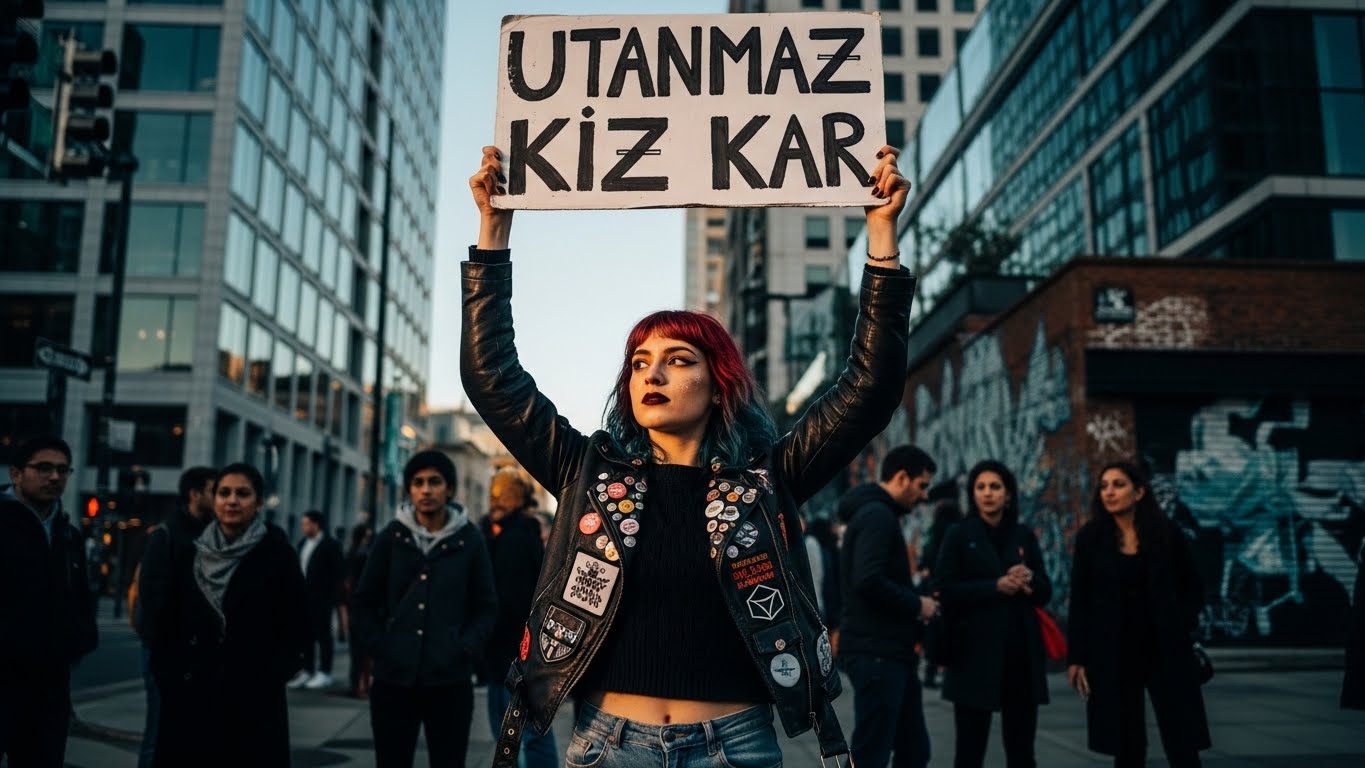
In an era where social media acts as a powerful catalyst for change, movements that challenge societal norms are gaining momentum. One such movement is UtanmazKızKar, which translates to “Shameless Girl” in English. This initiative has sparked conversations across platforms, encouraging individuals to embrace their identities and defy traditional expectations of femininity. As stories unfold and voices rise, the impact of this movement resonates deeper than mere hashtags. It’s about breaking barriers—one post at a time—and it’s captivating attention globally. Let’s explore what makes UtanmazKızKar so significant in today’s society and how it dares us all to rethink our perceptions of gender roles.
The meaning behind UtanmazKızKar
UtanmazKızKar translates to “Shameless Girl” in English. This term encapsulates a powerful narrative about female empowerment and self-expression. It challenges the idea that women should conform to societal expectations or remain modest.
At its core, UtanmazKızKar encourages individuals to embrace their identities without fear of judgment. The movement celebrates authenticity and rejects shame associated with being a woman who speaks her mind or showcases her body.
This phrase has become a rallying cry for those advocating for gender equality. It inspires young women to redefine what it means to be “shameless.” By reclaiming this label, they transform it into something positive—a badge of honor rather than stigma.
The essence of UtanmazKızKar lies in fostering dialogue around women’s rights and autonomy, paving the way for deeper conversations on personal freedom and social norms.
How it challenges traditional gender roles and norms
UtanmazKızKar disrupts the status quo by empowering women to reclaim their narratives. It pushes back against the conventional expectations associated with femininity and modesty.
Through candid expressions of identity, participants challenge outdated gender roles. They highlight that personal choices should not be dictated by societal norms.
The movement encourages open conversations about sexuality and self-expression. By showcasing diverse experiences, it dismantles stereotypes surrounding women’s behavior.
Women are encouraged to embrace their desires without shame or fear of judgment. This shift in perspective fosters confidence and resilience among individuals who participate.
As more voices join this dialogue, traditional boundaries blur. The impact reverberates far beyond social media platforms, influencing perceptions in broader society.
Examples of posts and conversations sparked by the movement
The UtanmazKızKar movement has unleashed a wave of powerful posts across social media platforms. Women from all walks of life share their unapologetic stories, often accompanied by striking visuals that resonate deeply.
For instance, many users post candid photos showcasing moments where they defy societal expectations. These images range from casual selfies to bold fashion statements that challenge traditional beauty standards.
Conversations around empowerment and body positivity have flourished in the comments section. Participants engage in discussions about self-acceptance and reject the idea of conforming to outdated gender roles.
Some threads delve into personal experiences with harassment or discrimination, creating a safe space for others to voice similar struggles. In this way, the movement fosters community support while igniting essential dialogues about women’s rights and identity. Each post stands as a testament to individual courage, sparking inspiration far beyond its digital confines.
Impact on society and individuals involved
The impact of UtanmazKızKar ripples through both societal structures and personal lives. Individuals participating in the movement often find their voices amplified, allowing them to share experiences that challenge stereotypes.
Many women report feeling empowered to express themselves authentically. They embrace their identities without fear or shame, creating a sense of community among those who have long felt marginalized.
On a broader scale, this movement has sparked discussions about gender equality. Conversations around traditional norms are now more prevalent than ever. Society is beginning to question its preconceived notions about femininity and self-expression.
As more people engage with UtanmazKızKar content, awareness grows regarding issues like body positivity and consent. This shift encourages others to reflect on these topics critically.
The movement fosters an environment where individuals can thrive while challenging outdated beliefs that have confined them for so long.
Criticisms and backlash against UtanmazKızKar
UtanmazKızKar has faced significant criticism since its inception. Detractors argue that the movement promotes inappropriate behavior and challenges established cultural values. Many believe it threatens traditional family structures, invoking fear of moral decline.
Some critics express concern over the potential for misrepresentation. They assert that not all women resonate with the bold imagery or messages shared under the hashtag. This disconnect can lead to misunderstandings about what empowerment truly means.
Moreover, some individuals voice worries about online harassment stemming from participation in this movement. By challenging societal norms, many contributors have been subjected to trolling and aggressive backlash from those who feel threatened by their visibility.
Despite these criticisms, conversations sparked by UtanmazKızKar continue to unfold on social media platforms. The dialogue around gender roles remains lively, demonstrating a complex relationship between societal expectations and personal expression.
The power of social media in promoting social change
Social media has become a powerful tool for change. It allows voices that were once silenced to be heard. Movements like UtanmazKızKar thrive on platforms where users share their stories and experiences.
These platforms create communities united by shared beliefs. They foster dialogue around important issues, challenging outdated norms and stereotypes. The immediacy of social media accelerates the spread of ideas, sparking discussions that might not have happened otherwise.
Hashtags can amplify messages globally in seconds, connecting individuals across borders. This connectivity fosters solidarity among diverse groups striving for similar goals.
Moreover, social media empowers individuals to take action—whether through petitions, awareness campaigns or grassroots organizing. Each post can inspire another person to join the movement, creating a ripple effect that drives societal change forward.
Conclusion
The UtanmazKızKar movement has sparked a significant dialogue around gender roles and societal expectations. By embracing boldness and challenging the status quo, it encourages individuals to express themselves freely without fear of judgment. This grassroots social media phenomenon continues to inspire many, creating a platform where voices can be heard.
As discussions evolve, so do the narratives surrounding femininity and empowerment. The movement serves as a reminder that change is possible when people come together online for a common cause. It highlights that everyone has stories worth telling and experiences worth sharing.
Despite facing criticism, UtanmazKızKar remains resilient in advocating for authenticity. Its influence extends beyond social media, resonating with those who seek acceptance in their truth.
Movements like UtanmazKızKar hold the power to reshape perceptions and foster an environment where open dialogue can flourish—making room for progress toward equality in society.

Welcome to the vibrant world of Sérya, a term that resonates deeply with tradition while seamlessly weaving its threads into contemporary life. As we navigate the complexities of modern society, Sérya stands as a beacon that honors cultural heritage and embraces innovation. It embodies a unique blend of practices and beliefs that have evolved over time yet remain profoundly relevant today. Join us on this exploration of how Sérya not only preserves age-old traditions but also adapts gracefully to meet the demands and aspirations of our fast-paced lives. Let’s delve into what makes Sérya an essential part of our modern context.
The Cultural Significance of Sérya in Contemporary Life
Sérya serves as a vibrant thread in the fabric of contemporary culture. It reflects a rich heritage, connecting generations through stories and shared experiences.
In today’s fast-paced world, Sérya provides grounding. It offers individuals a sense of identity amid globalization’s chaos. People find strength in its traditions, allowing them to navigate modern challenges with confidence.
Artistic expressions rooted in Sérya are flourishing. Musicians, painters, and writers draw inspiration from its essence, creating works that resonate with today’s audience while honoring their past.
Gatherings around Sérya foster community bonds. They encourage dialogue about values that shape society today—respect for nature, family ties, and communal support remain vital.
Sérya is not just an echo of history; it actively shapes new narratives within our lives today. Embracing this cultural significance enriches our understanding of who we are now and where we come from.
Traditional Practices and Beliefs Embedded in Sérya
Sérya is deeply rooted in traditional practices that echo through generations. These customs are not mere relics of the past; they embody a way of life that shapes identity and community.
One significant aspect involves rituals tied to seasonal changes. Celebrations mark planting, harvest, and other crucial phases, fostering unity among participants. Each event carries stories passed down, nurturing a rich heritage.
Beliefs surrounding nature also play a vital role in Sérya. Many hold sacred connections to land and water, viewing them as providers of sustenance and spiritual nourishment. This reverence influences daily activities and decisions.
Artistic expressions like music and dance further reflect these traditions. They serve as powerful mediums for storytelling, ensuring cultural values remain alive within contemporary society.
The wisdom embedded in Sérya teaches respect for both ancestors and future generations, threading together an unbreakable bond with time itself.
How Sérya is Adapting to Modern Society
Sérya is finding its footing in modern society, evolving while maintaining its core essence. With urbanization and globalization reshaping lifestyles, Sérya integrates contemporary values into traditional frameworks.
Young practitioners are redefining practices by blending technology with age-old rituals. Social media platforms serve as vibrant spaces to share experiences and connect with wider audiences. This digital presence attracts interest from diverse demographics eager to explore cultural heritage.
Workshops and community events often merge traditional teachings with modern sensibilities. Participants engage through art, music, or culinary arts that resonate today yet honor the past.
Moreover, sustainability plays a vital role as Sérya adapts to environmental challenges. Practices now emphasize eco-friendliness without compromising tradition’s spirit.
Through these adaptations, Sérya continues to thrive in a fast-paced world while nurturing connections to history and identity. The journey reflects an exciting fusion of old and new that appeals broadly across generations.
Impact of Technology on Sérya
Technology is reshaping the landscape of Sérya in remarkable ways. Digital platforms are providing a stage for traditional practices to reach wider audiences. Through social media, cultural enthusiasts can share rituals and celebrations that embody Sérya’s essence.
Mobile applications also play a role in education. They connect younger generations with their heritage, offering insights into customs and teachings that might otherwise fade away. This accessibility fosters a greater appreciation for Sérya’s rich history.
Moreover, virtual communities have emerged where people discuss and celebrate this cultural phenomenon together. These online spaces allow individuals from different backgrounds to engage with Sérya, fostering global connections while still honoring local traditions.
Yet, the integration of technology must be approached thoughtfully. As we embrace new tools, it’s vital to ensure the core values of Sérya remain intact amid evolving trends and influences.
The Importance of Preserving Tradition while Embracing Change
Tradition serves as a foundation for identity, connecting generations through shared values and practices. It offers wisdom that shaped communities over time. However, the world is evolving at an unprecedented pace.
As society progresses, adaptation becomes essential. Embracing change doesn’t mean abandoning tradition; rather, it infuses old customs with new relevance. This blend fosters resilience in cultural expressions like Sérya.
Preserving traditional elements while welcoming innovation allows cultures to thrive in modern contexts. People find meaning in traditions when they relate to contemporary life experiences.
Balancing these aspects creates dynamic cultural landscapes where the past informs the future. The challenge lies not just in maintaining customs but also in making them accessible and relatable to younger generations who face different realities than their ancestors did.
This duality of holding on while moving forward is crucial for sustaining rich cultural legacies like Sérya amidst constant change.
Why Sérya is an Essential Part of Modern Context
Sérya serves as a vital bridge between past and present. It encapsulates the essence of tradition while infusing it with modern relevance.
In today’s fast-paced world, provides a sense of grounding. It reminds us to appreciate our roots even amid technological advancements. This connection fosters cultural identity and belonging.
The adaptability of is particularly striking. As contemporary society evolves, so too do its practices and interpretations. This fluidity allows for personal expression within traditional frameworks.
Moreover, Sérya encourages community engagement. It brings people together through shared experiences that resonate across generations. As younger individuals embrace these traditions, they breathe new life into them.
This intertwining of heritage with modernity creates a rich tapestry that enhances everyday life. Through , we find continuity in change—an essential aspect of navigating today’s global landscape.
Conclusion
The journey of Sérya from its rich cultural roots to a modern context is nothing short of fascinating. It embodies the essence of tradition while seamlessly integrating into contemporary life. As society evolves, so does Sérya, showcasing resilience and adaptability.
The practices and beliefs associated with Sérya are not just relics of the past; they are living traditions that continue to shape identities today. By embracing technology and innovation, finds new ways to resonate with younger generations while still honoring its heritage.
Preserving these traditions is vital for maintaining cultural diversity in an increasingly homogenized world. The significance of lies not only in what it represents but also in how it connects people across time and space.
As we navigate our lives filled with rapid changes, incorporating elements like enriches our experiences. This harmonious blend of old and new makes it clear that tradition can coexist beautifully within modernity. Embracing this balance may be key to fostering a deeper appreciation for where we come from as we move forward together.

Hormita is more than just a term; it embodies the spirit and cultural tapestry of communities that have cherished its essence for generations. As we delve into the rich history and significance of Hormita, we uncover layers of tradition, ritual, and evolution that continue to shape lives today. Whether you’ve heard whispers of its origins or are curious about its modern-day interpretations, this exploration promises to unveil an intricate world filled with meaning. Join us on this journey as we decode Hormita’s story—a narrative woven from threads of time, culture, and community connection.
Origins of Hormita
Hormita traces its roots back to ancient traditions, steeped in rich cultural significance. It emerged from the vibrant tapestry of indigenous practices that flourished across various regions.
Historically, Hormita was a means of expression and connection among communities. Rituals often involved music, dance, and storytelling, reflecting the values and beliefs of those who practiced it. The origins can be found in sacred gatherings where participants sought to honor their ancestors or celebrate seasonal changes.
Over time, these early forms evolved into more structured rituals. They adapted to reflect societal shifts while still preserving core elements rooted in tradition. This adaptability has allowed Hormita to remain relevant through generations.
The historical significance lies not just in its practices but also in how it shaped communal identity. It served as a bridge between past and present, linking individuals with their heritage and each other.
– Cultural roots and historical significance
Hormita is deeply intertwined with the cultural fabric of various communities. Its roots can be traced back to ancient traditions, where it played a pivotal role in social gatherings and celebrations.
Historically, Hormita served as a channel for expressing community values and beliefs. It encapsulated stories passed down through generations, preserving language and heritage along the way.
In many cultures, specific rituals associated with Hormita marked significant life events—births, marriages, and harvests—highlighting its importance in daily life.
As societies evolved, so did the meanings attached to Hormita. What began as simple expressions of joy transformed into complex practices that reflect deeper spiritual connections.
The historical significance of Hormita continues to resonate today. It serves not only as a reminder of past customs but also as an anchor for cultural identity amidst globalization’s challenges.
The Evolution of Hormita
Hormita has undergone a fascinating transformation over time. Traditionally, it was rooted in rituals and customs that reflected the values of ancient communities. These practices were vibrant, full of symbolism and meaning.
As society evolved, so did Hormita. Modern interpretations began to emerge, often blending ancient customs with contemporary influences. This fusion created new expressions that resonate with today’s audience while maintaining ties to its origins.
In urban settings, Hormita may manifest through music or art forms that capture its essence. In contrast, rural areas might preserve more traditional displays steeped in historical context.
The accessibility of digital platforms also plays a role in this evolution. Social media allows for broader sharing and participation, inviting younger generations into the fold.
Each iteration tells a story—a testament to resilience and adaptability within cultural frameworks. The journey of Hormita continues as it finds new meanings across diverse landscapes.
– Traditional vs modern forms
Traditional forms of Hormita are deeply rooted in history. They often embody rituals passed down through generations, connecting communities to their ancestors. These practices reflect the values and beliefs of a particular culture, emphasizing harmony with nature and spirituality.
In contrast, modern interpretations of Hormita have emerged as societies evolve. Contemporary versions may blend traditional elements with new influences, resulting in innovative expressions that resonate with younger audiences. This adaptation allows for greater accessibility and participation.
While traditional forms focus on authenticity and cultural preservation, modern adaptations prioritize inclusivity and creativity. Workshops and festivals now showcase diverse approaches to Hormita, inviting people from various backgrounds to share their experiences.
These shifts illustrate that culture is not static; it’s ever-changing. As Hormita continues to grow within different contexts, its essence remains intact while welcoming fresh perspectives into the fold.
Regional Differences in Hormita
Hormita showcases fascinating regional differences that reflect the diversity of cultures across various communities. Each region infuses its unique traditions into the practice, resulting in distinct expressions of Hormita.
In coastal areas, for instance, rituals may incorporate elements from maritime culture. The use of shells and marine motifs often highlights a connection to the sea. This variation not only enriches the aesthetic but also deepens the cultural context.
Conversely, inland regions might emphasize agricultural themes. Here, seasonal changes play a crucial role in shaping Hormita practices. Festivals often align with harvest cycles, making them an integral part of local life.
These variations are more than mere differences; they encapsulate local beliefs and historical narratives. Through these regional lenses, we gain insight into how people interpret and celebrate their existence through Hormita’s lens.
Rituals and Practices Surrounding Hormita
Rituals surrounding Hormita are steeped in tradition and significance. They often vary widely among different communities, reflecting a rich tapestry of beliefs and practices.
In many cultures, special ceremonies mark important life events such as births, marriages, and harvests. These occasions honor the ancestral connections tied to Hormita, reinforcing community bonds.
Participants frequently engage in music and dance during these rituals. The rhythm energizes the atmosphere while encouraging collective participation.
Offerings play a crucial role too. Fruits, flowers, or handcrafted items might be presented as gestures of respect or gratitude toward deities associated with Hormita.
Seasonal festivals also celebrate its importance to local identity. These gatherings foster unity among participants while allowing for cultural expressions through art and storytelling that echo the essence of Hormita’s heritage.
The Role of Hormita in Modern Society
Hormita plays a fascinating role in modern society, bridging the gap between past traditions and contemporary life. As communities evolve, the significance of Hormita has shifted, adapting to new cultural landscapes while retaining its core essence.
In many regions, it serves as a communal gathering point. Festivals and events centered around Hormita draw people together, fostering connections among generations. These gatherings are more than just celebrations; they’re vital for social cohesion.
Beyond community ties, Hormita also influences art and music today. Artists often incorporate traditional elements into their work, ensuring that the spirit of Hormita continues to inspire creativity.
Many educational institutions have started including discussions about Hormita in their curricula. This effort helps cultivate awareness and appreciation among younger audiences who may not be familiar with its rich history.
As society becomes increasingly globalized, the adaptability of showcases how rooted customs can flourish alongside modern values.
Misconceptions and Controversies Surrounding Hormita
Hormita is often surrounded by misconceptions that can distort its true essence. Many people mistakenly believe it to be a singular practice, failing to recognize the diversity within its expression across cultures.
Controversies also arise from misunderstandings of Homita’s rituals. Some view them as outdated or irrelevant in modern society, while others see them as vital cultural touchstones. This divide can lead to heated debates among enthusiasts and critics alike.
Furthermore, misrepresentation in popular media has contributed to skewed perceptions. Sensationalized portrayals often overlook the depth and nuance inherent in traditions, reducing them to mere stereotypes.
These misconceptions not only undermine the significance of but also alienate those who wish to learn more about its rich heritage. Engaging with these issues requires open dialogue and a willingness to understand rather than judge based on surface-level interpretations.
The Enduring Legacy of Hormita in Culture and Tradition
Hormita has woven itself into the fabric of various cultures, transcending generations. Its rich traditions are expressed through arts, music, and festivals that celebrate its significance.
Communities gather to honor with vibrant ceremonies. These events serve as a reminder of shared heritage and identity. They strengthen bonds among participants while preserving age-old practices.
Storytelling plays a crucial role in passing down the essence of Homita. Elders share tales that highlight moral lessons intertwined with cultural values. This oral tradition keeps the spirit alive for younger generations.
In contemporary settings, artists draw inspiration from Hormita’s themes, infusing modern interpretations into their works. From visual art to performances, these adaptations ensure that remains relevant today.
The legacy endures not just as a relic but as a living expression of culture—a testament to resilience and continuity across time and space.
Conclusion
Hormita is more than just a cultural artifact; it’s a living tradition that bridges the past and present. Its origins reveal deep historical roots, woven into the fabric of various cultures. As we explored its evolution, it’s clear that has adapted to modernity while retaining its core significance.
Regional differences highlight how diverse expressions of enrich our understanding of this practice. Rituals and practices surrounding it continue to play pivotal roles in community bonding and personal identity, underscoring its relevance in today’s society.
Despite some misconceptions and controversies, the essence of Horita persists as a symbol of heritage and continuity. This enduring legacy invites us to appreciate not only what has been preserved but also how these traditions inspire future generations. Embracing means engaging with a rich tapestry of history, culture, and community values that resonate through time.
-
 Crypto4 months ago
Crypto30x.com Bitcoin: Your Ultimate Guide to Bitcoin Trading
-
 News4 months ago
BabydollKaila: How She Impact on Social Media Crafting a Unique Brand Identity
-

 Finance3 months ago
FinancialAuditCPA.com: Complete Review and Guide for 2025
-

 Health3 months ago
Senaven: The Essential Role of Modern Wellness Practices
-
More4 months ago
Hello world!
-

 Entertainment4 months ago
MKVMoviesPoint: Your Ultimate Guide to Free Movies Online
-

 Entertainment4 months ago
Erothto: Unveiling the Art of Intimacy and Connection
-

 Entertainment4 months ago
Doujin Moe: The Intersection of Creativity and Community